← News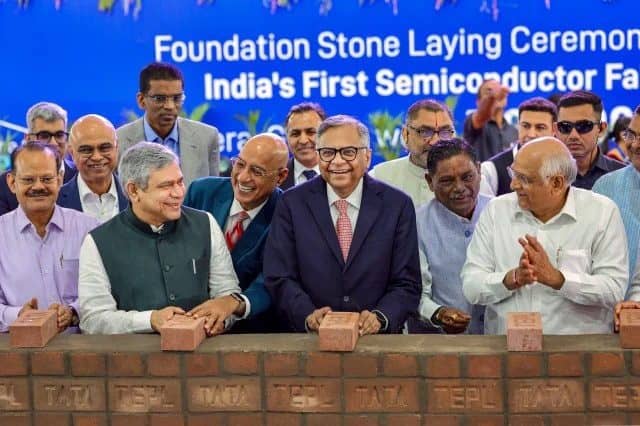
India's first 220-kmph semi-high-speed rail corridor between Ahmedabad and Dholera gets cabinet nod
Recentgeneral · 13 May 2026
Photo — Source: DSIRDA / DICDL (dholera.gujarat.gov.in)
In brief · AI summary
The Indian Cabinet has formally approved the construction of India's first semi-high-speed rail corridor, which will connect Ahmedabad to Dholera at speeds of up to 220 km/h. This significant development is poised to enhance connectivity and mobility in the region, making travel faster and more efficient for passengers commuting between these two key locations. The Ahmedabad (Sarkhej) to Dholera route will serve as a crucial link for the Dholera Special Investment Region (SIR), which has been earmarked for robust development, including industrial and commercial projects. The approval for this rail project comes amid the ongoing development of various infrastructure initiatives in Dholera, notably the Bhimnath–Dholera Rail Link, part of the broader ambitions to position Dholera as a leading economic zone. Additionally, this corridor's development aligns with the Delhi-Mumbai Industrial Corridor (DMIC) initiative, intended to bolster industrial growth via enhanced transportation links. Dholera has already made strides with projects like the Ahmedabad-Dholera Expressway, a 109 km stretch designed as a four-lane, access-controlled road, which further connects Ahmedabad’s urban development to Dholera’s emerging industrial landscape. This rail corridor's significance cannot be overstated for the Dholera SIR; it will not only facilitate quicker transportation of goods and passengers but also attract investments into the region. With Dholera's planned development of various industries, including the establishment of India's first semiconductor fab involving Tata Electronics and PSMC, improved rail connectivity may enhance the area's appeal to prospective investors and employers. As Dholera aims to become a key player in India's economic framework, this new rail link marks a critical step in realizing those aspirations and cementing the region's status within the national transportation network.
The full article stays with its original publisher. Read the complete report at the source:
Read the full article at source · news.google.comKey facts
- Category
- general
- Published
- 13 May 2026
- Source
- news.google.com
AI-written summary based on the publisher's report and our verified Dholera data — the full article remains with the original publisher. Open the source for the complete story.