← News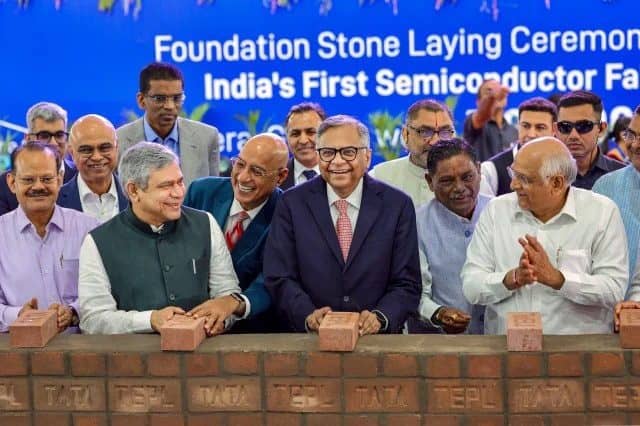
Cabinet Approves Semi High-Speed Rail Project Between Ahmedabad and Dholera
Recentgeneral · 13 May 2026
Photo — Source: DSIRDA / DICDL (dholera.gujarat.gov.in)
In brief · AI summary
The Union Cabinet has recently approved the semi-high-speed rail project connecting Ahmedabad and Dholera, with an allocated budget of ₹20,667 crore. This substantial investment is aimed at enhancing transportation infrastructure and connectivity in one of Gujarat's most promising development zones. The semi-high-speed rail corridor is part of a broader strategy to promote industrial and urban development in Dholera, which is being positioned as a pivotal economic hub under the Dholera Special Investment Region (SIR) initiative. The Bhimnath-Dholera rail link is anticipated to significantly reduce travel time between Ahmedabad and Dholera, which is essential given Dholera's ongoing development as a major industrial and economic zone. Furthermore, this project aligns with the Indian government’s broader objectives of improving infrastructure and facilitating economic growth through enhanced connectivity. Dholera is not only attracting interest for its rail connections but is also becoming a focal point in the technological sphere, with a separate ₹3,936 crore semiconductor project approved for the establishment of India’s first Gallium Nitride (GaN)-based Micro-LED unit. The implications of this rail project for Dholera SIR are substantial. Improved rail connectivity is likely to attract additional investments and bolster industrial activity in the region, facilitating easier access for businesses and residents alike. Additionally, as Dholera evolves into a critical node of growth, the combined impact of both the rail project and technological investments will likely contribute to the overall economic prosperity of the region, fostering job creation and enhancing Dholera's position on the national and international stages.
The full article stays with its original publisher. Read the complete report at the source:
Read the full article at source · news.google.comKey facts
- Category
- general
- Published
- 13 May 2026
- Source
- news.google.com
AI-written summary based on the publisher's report and our verified Dholera data — the full article remains with the original publisher. Open the source for the complete story.