← News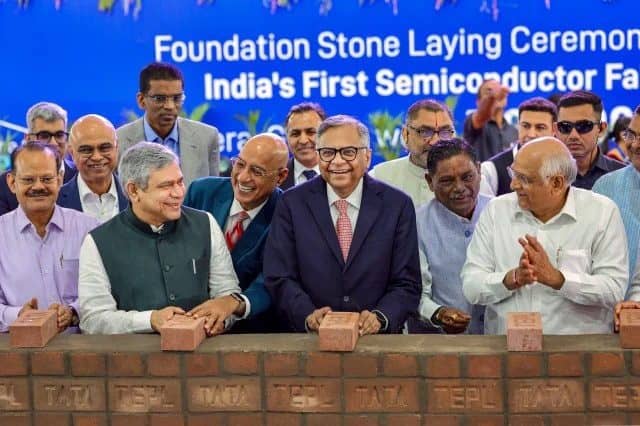
₹20,665 crore rail project approved for Ahmedabad-Dholera: Semi-high-speed corridor to cut travel time to 4...
Freshinfrastructure · 13 May 2026
Photo — Source: DSIRDA / DICDL (dholera.gujarat.gov.in)
In brief · AI summary
The Union Cabinet of India has approved a significant rail infrastructure project, allocating ₹20,665 crore for the development of a semi-high-speed rail corridor connecting Ahmedabad and Dholera. This initiative aims to drastically reduce travel time between the two locations to approximately 4 hours, enhancing regional connectivity and boosting Dholera's status as a major industrial and urban hub. The new rail line, starting from Sarkhej in Ahmedabad to Dholera, is expected to facilitate the movement of passengers as well as freight, thereby contributing to economic growth in the region. The Ahmedabad-Dholera rail link is a critical component of the broader Dholera Special Investment Region (SIR) initiative, which seeks to establish Dholera as a global manufacturing and logistics hub. The corridor will complement existing transportation infrastructure, such as the Ahmedabad-Dholera Expressway, a 109 km, four-lane access-controlled road that serves to connect the two cities more efficiently. Additionally, the development of this rail link is projected to create numerous job opportunities, both during the construction phase and once operational, stimulating local economies. The significance of this rail project extends beyond enhanced connectivity; it is also a catalyst for Dholera's transformation into a key player in India’s economic landscape. With related developments, such as India’s first GaN-based Micro-LED semiconductor unit being established in Dholera and other infrastructural investments, the semi-high-speed rail line will not only improve access for commuters but also attract businesses and investments, thereby fostering the region's growth as a vital industrial zone.
The full article stays with its original publisher. Read the complete report at the source:
Read the full article at source · news.google.comKey facts
- Category
- infrastructure
- Published
- 13 May 2026
- Source
- news.google.com
AI-written summary based on the publisher's report and our verified Dholera data — the full article remains with the original publisher. Open the source for the complete story.